
Silicone Rubber Wire
Flexible high-temperature wire, -60°C to +200°C -- for appliances, lighting, motor leads, and industrial automation.
What Is Silicone Rubber Wire?
Silicone rubber wire uses a silicone elastomer insulation instead of PVC or rubber, giving it two properties that don't usually come together: it stays flexible down to -60°C while also withstanding continuous operation up to 200°C. That combination makes it the standard choice anywhere a wire needs to keep bending or flexing in a hot environment -- appliance internal wiring, lighting fixtures, motor leads, and industrial automation -- rather than stiffening and cracking the way PVC insulation does above roughly 105°C.
Choosing the Right Silicone Wire Construction
Voltage class is the first specification decision across this family. The 300-600V constructions (JG, AGR, UL AWM 3132/3135, AGG) cover the overwhelming majority of appliance, lighting, and general industrial wiring. JHXG 1140V is the outlier -- a heavy-wall, high-voltage-grade construction built specifically for mining equipment and industrial motors operating at up to 1140V, where standard silicone wire's insulation thickness isn't sufficient for the voltage stress.
Standard vs. fiberglass-braided silicone wire is the second decision, and it comes down to mechanical exposure. Plain silicone constructions (JG, AGR, AGG) suit wiring that's protected inside an enclosure or conduit. JGG adds a fiberglass overbraid on top of the same silicone insulation, trading a small amount of flexibility for meaningfully better abrasion and cut-through resistance -- worth the upgrade anywhere the wire runs exposed near moving parts or sharp edges rather than fully enclosed.
-60°C to +200°C
Stays flexible across an unusually wide temperature range -- won't stiffen and crack like PVC above 105°C.
Up to 1140V
JHXG 1140V construction covers heavy-industry and mining-equipment voltage requirements beyond standard 300-600V wire.
UL / VDE / RoHS
UL AWM 3132/3135, UL3512, VDE, and RoHS compliant constructions across the family.
Featured Silicone Rubber Wire Products
Our most-specified silicone constructions — chosen for flexibility, industrial duty, and high-voltage applications.
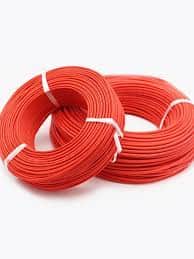 FLEXIBLE
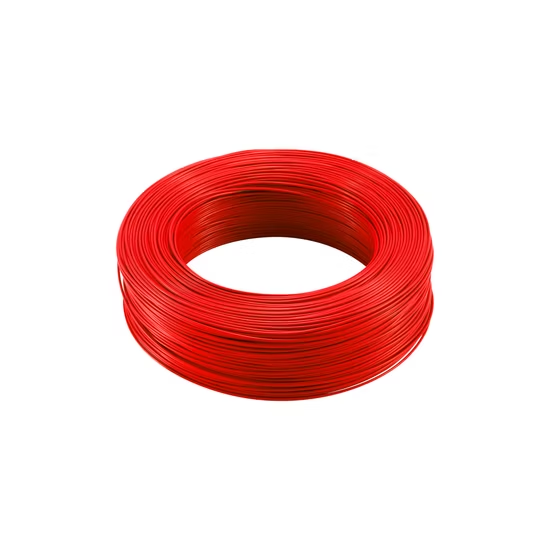 HEAVY DUTY
Silicone Rubber Wire Products
8 products in this family
Silicone Rubber Wire AGR Type
Highly flexible silicone rubber insulated wire for temperature range -60°C to +200°C with excellent flexibility.
- Rated to 200°C
- 600V voltage rating
- Lighting fixtures
Temp Range
200°C
Voltage
600V
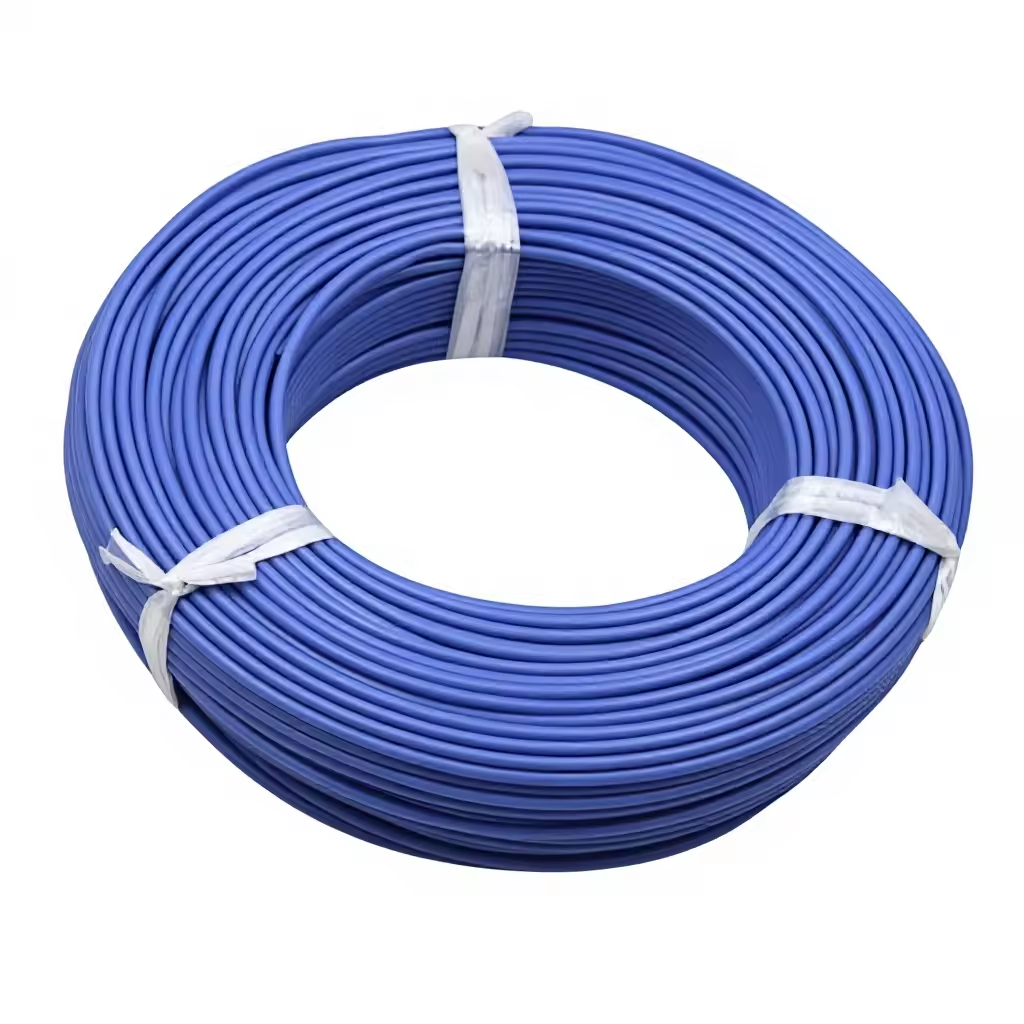
Silicone Wire UL AWM 3132
UL approved silicone rubber wire with superior heat resistance and flexibility for appliance wiring.
- Rated to 150°C
- 300V voltage rating
- Appliance internal wiring
Temp Range
150°C
Voltage
300V
Silicone Wire UL AWM 3135
Heavy-duty silicone rubber wire rated for 600V applications with enhanced current capacity.
- Rated to 200°C
- 600V voltage rating
- Industrial heating
Temp Range
200°C
Voltage
600V
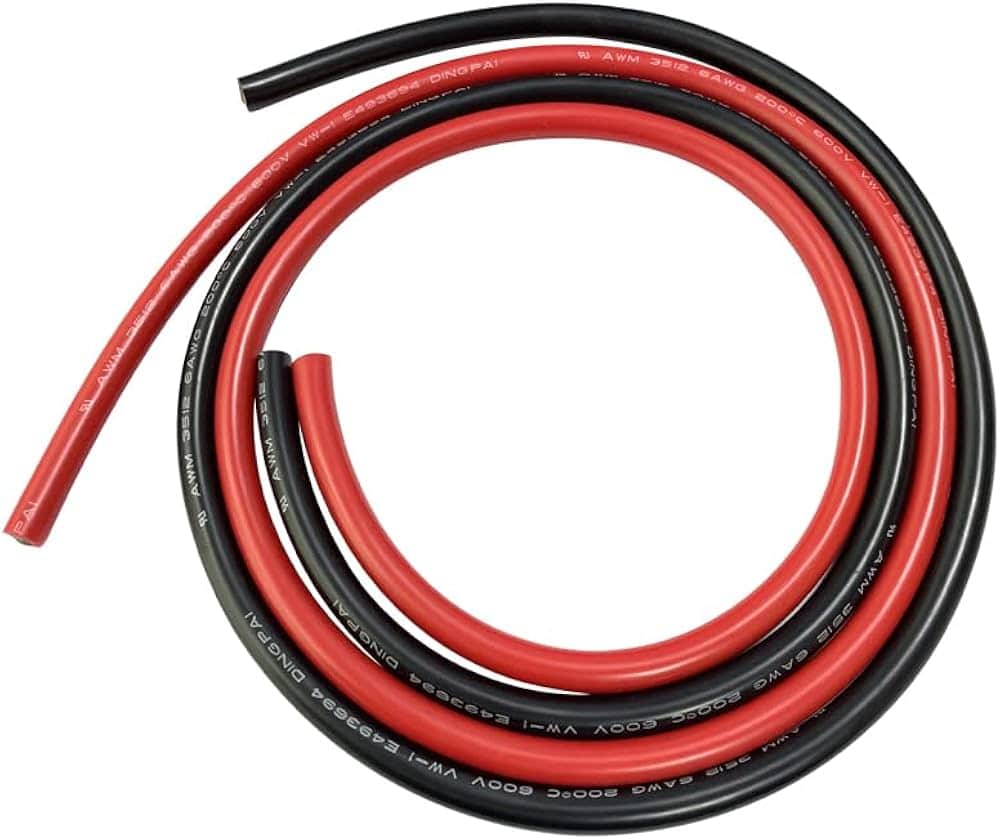
Silicone Wire UL3512 Fine Gauge
Fine gauge silicone wire for electronics, LED lighting, and low current high-temperature applications.
- Rated to 200°C
- 600V voltage rating
- LED lighting
Temp Range
200°C
Voltage
600V
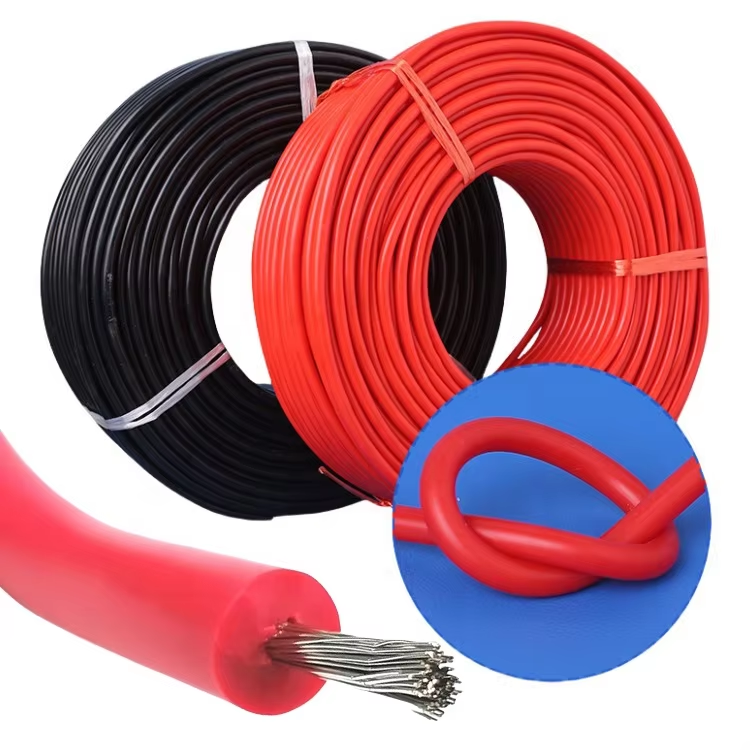
Silicone Rubber Wire AGG Type
Premium grade silicone rubber wire with enhanced insulation for demanding applications.
- Rated to 180°C
- 500V voltage rating
- Industrial automation
Temp Range
180°C
Voltage
500V
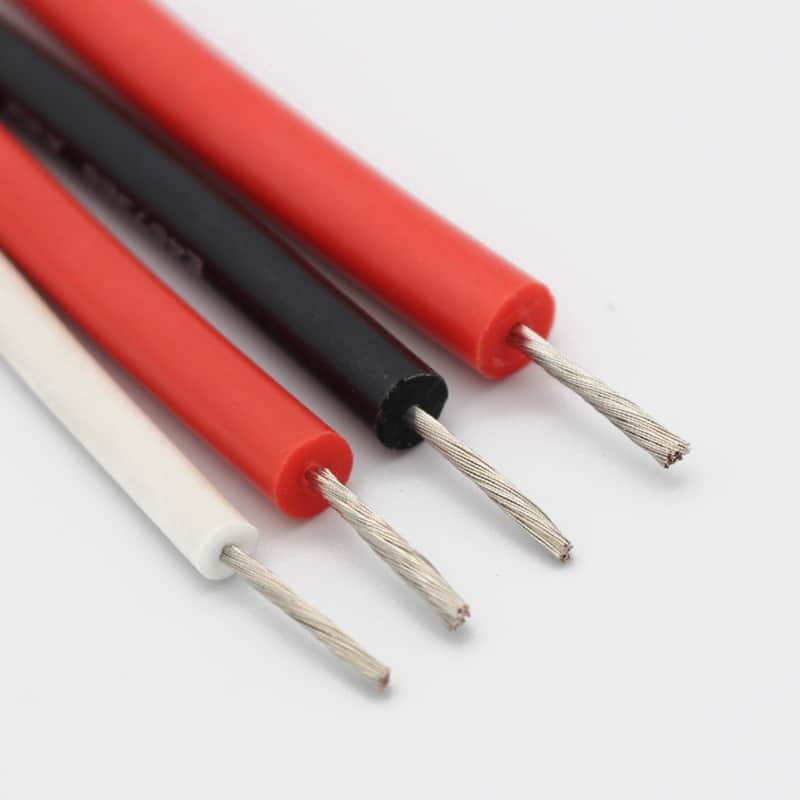
Silicone Wire JHXG 1140V High Voltage
High-voltage silicone rubber wire for industrial applications requiring voltage ratings up to 1140V.
- Rated to 180°C
- 1140V voltage rating
- Mining equipment
Temp Range
180°C
Voltage
1140V
Silicone Wire JG Type Flexible
Standard silicone rubber wire for general purpose high-temperature wiring applications.
- Rated to 180°C
- 500V voltage rating
- General wiring
Temp Range
180°C
Voltage
500V
Silicone Wire JGG Fiberglass Braided
Silicone rubber wire with fiberglass overbraid for added abrasion and mechanical protection in general purpose high-temperature wiring applications.
- Rated to 180°C
- 500V voltage rating
- General wiring
Temp Range
180°C
Voltage
500V
Applications
Appliances & Lighting
- Household appliance internal wiring
- Lighting fixture wiring
- Heating element leads
Industrial & Automation
- Motor leads
- Industrial automation wiring
- Robotics wiring
Heavy Industry
- Mining equipment wiring
- High-voltage industrial motors
- Power distribution up to 1140V
Need a Custom Silicone Wire Spec?
Our engineering team can match conductor stranding, wall thickness, and color coding to your exact requirement.
Silicone Rubber Wire FAQ
What temperature range can silicone rubber wire handle?
Standard silicone rubber wire in this family stays flexible from -60°C up to +200°C continuous operation, which is a wider working range than PVC (roughly 0°C to 105°C) or standard rubber insulation.
When do I need JHXG 1140V instead of a standard 600V construction?
JHXG 1140V is a heavy-wall, high-voltage-grade silicone construction for mining equipment and industrial motors operating up to 1140V. For general appliance, lighting, and industrial wiring at 300-600V, the standard JG, AGR, AGG, or UL AWM constructions are the correct fit.
What's the difference between JG and JGG?
JGG is JG with an added fiberglass overbraid for better abrasion and mechanical protection. Choose JGG for wiring that runs exposed near moving parts or sharp edges; JG is sufficient for wiring protected inside an enclosure or conduit.
Is silicone rubber wire flame retardant?
Yes -- silicone rubber insulation is inherently flame retardant and self-extinguishing, which is part of why this family is standard in appliance and lighting applications subject to UL and RoHS compliance requirements.