
Fiberglass Braided Silicone Wire
Silicone core with fiberglass overbraid for abrasion resistance in furnaces, kilns, and industrial ovens.
What Is Fiberglass Braided Silicone Wire?
Fiberglass braided silicone wire starts with the same silicone rubber insulation used across the standard Silicone Rubber Wire family, then adds a woven fiberglass overbraid on top. The silicone core still provides the -60°C to +200°C (up to 250°C for the 60245 IEC (03)YG construction) flexibility and heat resistance; the fiberglass braid is there purely for mechanical protection -- abrasion resistance, cut-through resistance, and dimensional stability when the wire is routed close to hot surfaces or moving parts. It's the construction to specify whenever silicone wire needs to survive physical wear, not just heat.
Fiberglass Braid: When Mechanical Protection Matters
The fiberglass braid matters most in furnace, kiln, and industrial oven applications, where wire is routed near or against hot metal surfaces, refractory brick, or heating elements. Unbraided silicone wire can abrade through on a sharp edge or a vibrating mounting bracket over months of thermal cycling; the fiberglass overbraid resists that wear while the silicone core underneath keeps doing the electrical and thermal work. This is why the 60245 IEC (03)YG and AGRP constructions specifically call out furnace and oven wiring as their primary application, rather than general-purpose appliance wiring where a plain silicone wire is sufficient and less expensive.
Gauge selection across this family follows standard ampacity rules, but the UL-rated constructions (AWN 3122/3133, UL3068/UL3069) are worth specifying by their exact UL number rather than just wire gauge when the end application requires UL certification for insurance, code compliance, or OEM qualification purposes -- a fiberglass-braided silicone wire that isn't UL listed under the specific standard your equipment spec calls out won't satisfy a compliance audit even if the physical construction is functionally equivalent.
Up to 250°C
60245 IEC (03)YG construction extends the standard silicone temperature range for the hottest furnace and kiln applications.
Abrasion Resistant
Fiberglass overbraid protects against cut-through and wear near hot surfaces, sharp edges, and vibrating mounts.
UL Listed Options
AWN 3122/3133 and UL3068/UL3069 constructions available for compliance-driven applications.
Featured Fiberglass Braided Silicone Wire Products
Our most-specified fiberglass-braided constructions — chosen for abrasion resistance, high current, and mechanical protection.
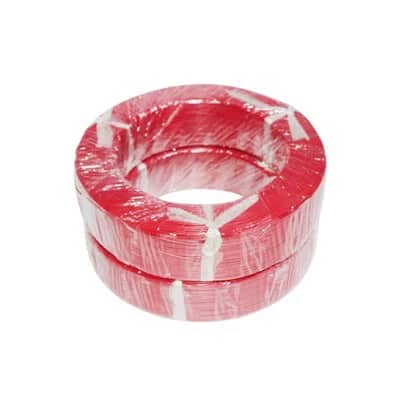 STANDARD
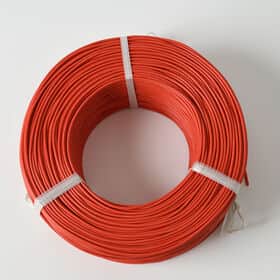 HIGH CURRENT
Fiberglass Braided Silicone Wire Products
6 products in this family
Fiber Glass Braided Silicone Wire IEC 60245
Fiberglass braided silicone rubber wire (03)YG type for extreme temperature up to 250°C with superior abrasion resistance.
- Rated to 250°C
- 450V/750V voltage rating
- Furnaces
Temp Range
250°C
Voltage
450V/750V
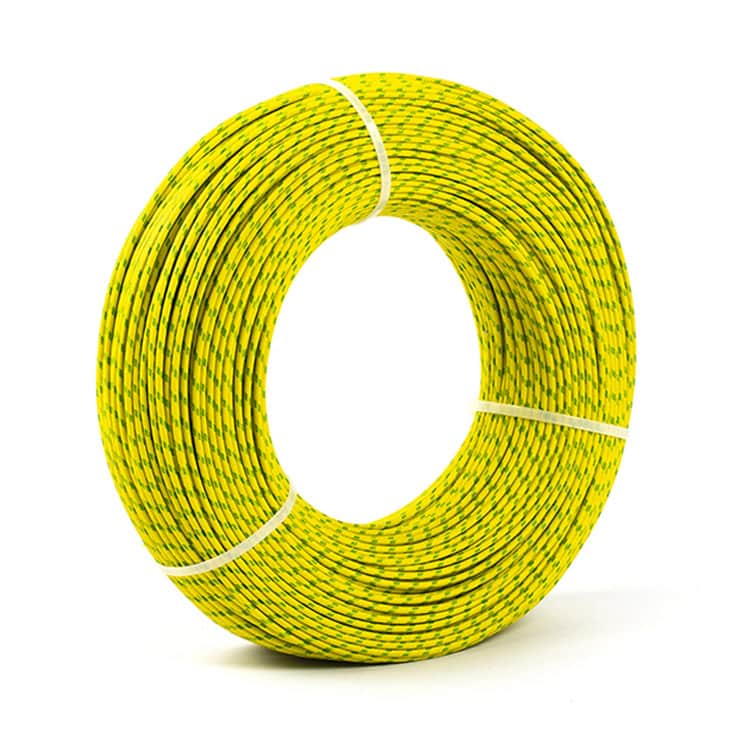
Fiber Glass Silicone Wire AGRP Type
Premium fiberglass braided silicone wire offering enhanced mechanical protection and heat resistance.
- Rated to 200°C
- 600V voltage rating
- High-temperature motors
Temp Range
200°C
Voltage
600V
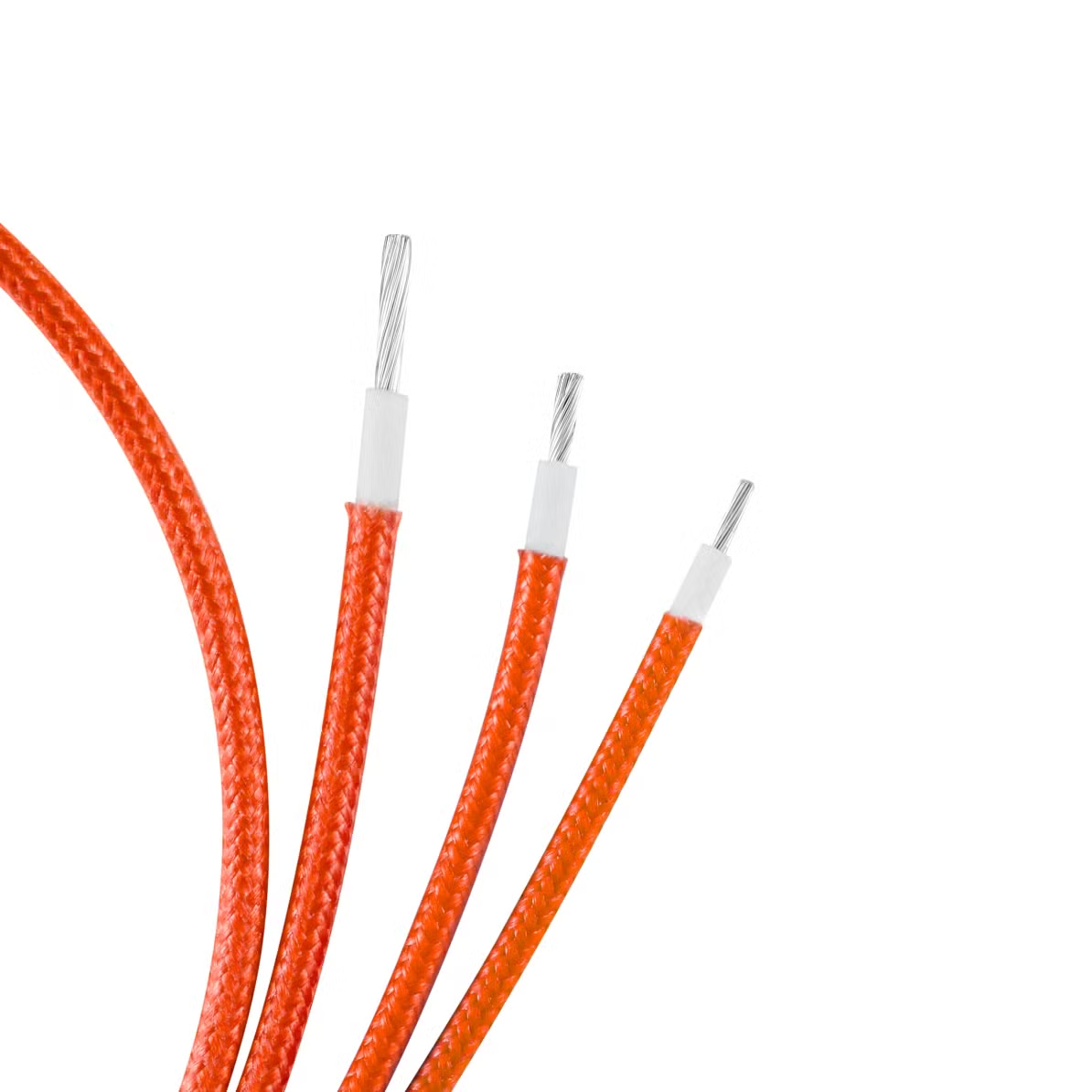
Fiber Glass Silicone Wire UL AWN 3122
UL rated fiberglass braided silicone wire for high-reliability applications requiring 600V rating.
- Rated to 200°C
- 600V voltage rating
- Electronics
Temp Range
200°C
Voltage
600V
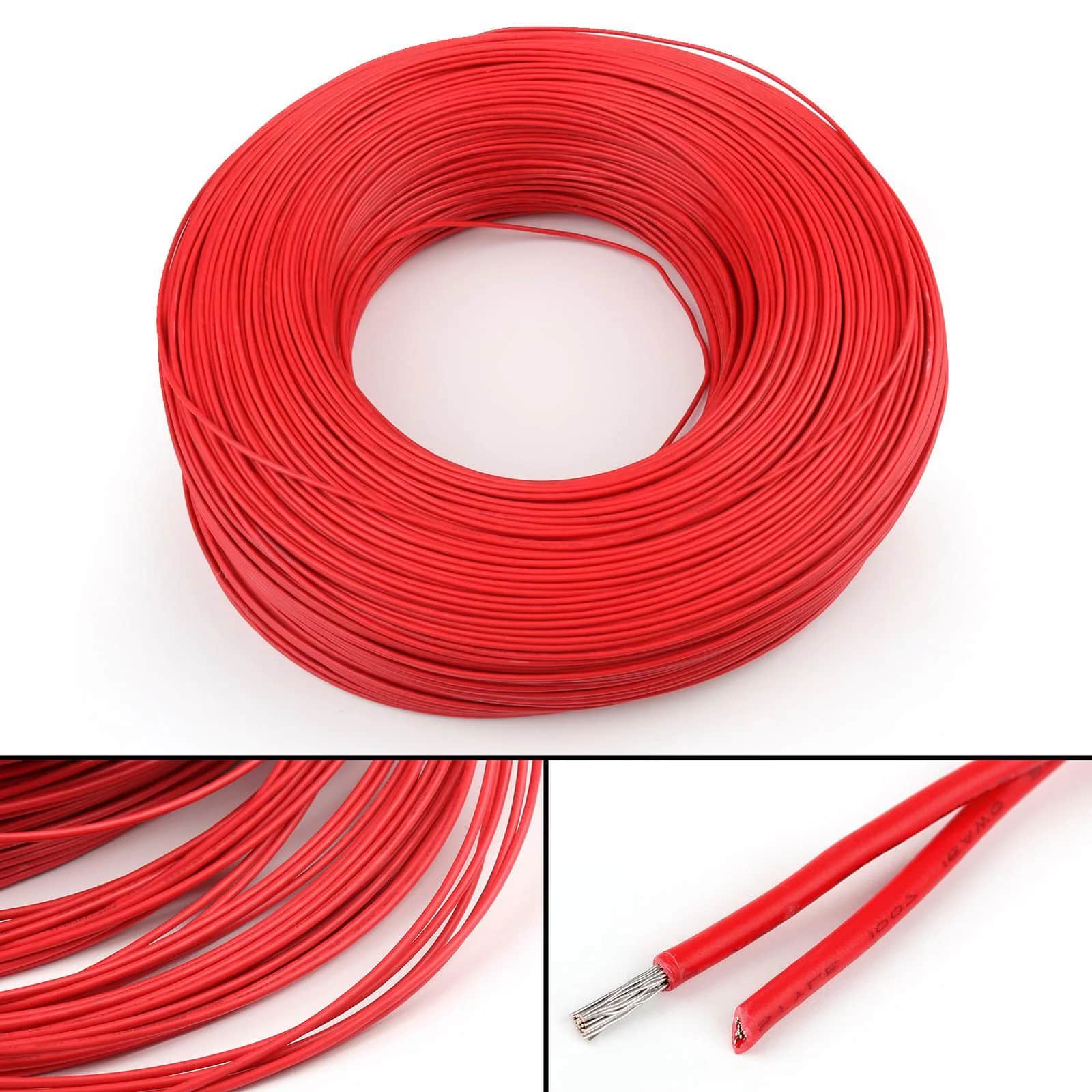
Fiber Glass Silicone Wire UL AWN 3133
Heavy-duty fiberglass braided silicone wire meeting UL 3133 standards for industrial applications.
- Rated to 200°C
- 600V voltage rating
- Industrial machinery
Temp Range
200°C
Voltage
600V
Fiber Glass Silicone Wire UL3068
Heavy gauge fiberglass braided silicone wire for high-current high-temperature installations.
- Rated to 200°C
- 600V voltage rating
- Power equipment
Temp Range
200°C
Voltage
600V
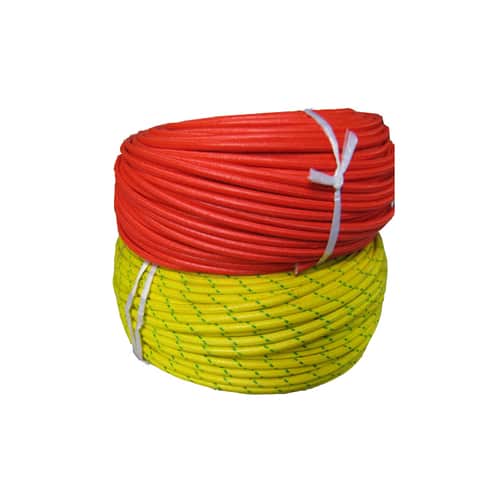
Fiber Glass Silicone Wire UL3069
Medium gauge fiberglass braided silicone wire offering balanced performance and flexibility.
- Rated to 200°C
- 600V voltage rating
- Appliance internal wiring
Temp Range
200°C
Voltage
600V
Applications
Furnaces & Ovens
- Industrial furnace internal wiring
- Kiln wiring
- Heat treating equipment
Industrial Equipment
- High-temperature motor leads
- Appliance internal wiring near heat sources
- Process heating equipment
Compliance-Driven Builds
- UL-certified OEM equipment
- Insurance-audited installations
- Code-compliant industrial wiring
Need a Custom Fiberglass-Braided Spec?
Our engineering team can match conductor stranding, wall thickness, and color coding to your exact requirement.
Fiberglass Braided Silicone Wire FAQ
Why add a fiberglass braid to silicone wire?
The fiberglass braid adds abrasion and cut-through resistance on top of the silicone core's existing heat resistance and flexibility. It's specified whenever the wire will be routed near hot surfaces, sharp edges, or vibrating components where an unbraided silicone wire would wear through over time.
What's the maximum temperature for this family?
Most constructions are rated to 200°C. The 60245 IEC (03)YG construction is rated up to 250°C, making it the choice for the hottest furnace and kiln applications in this family.
Do I need a specific UL number, or is any fiberglass-braided silicone wire interchangeable?
For UL-compliance-driven applications, specify the exact standard (AWN 3122, AWN 3133, UL3068, or UL3069) called out in your equipment spec or compliance audit. Physically similar constructions that aren't listed under the specific required standard won't satisfy that audit.
Is this wire suitable for open-flame proximity?
The fiberglass braid and silicone core together provide good dimensional stability near open flame and radiant heat, which is why this family is standard for furnace and industrial oven internal wiring. Confirm the specific temperature and flame-exposure duration against your application before final selection.