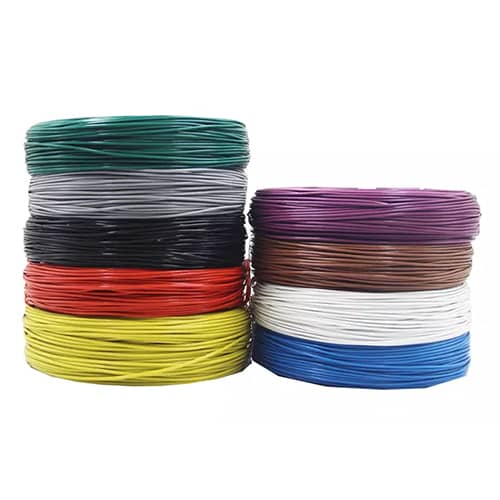

Fluorine Plastic Insulation Wire
FEP / PTFE insulated wires for semiconductor, aerospace, and chemical processing.
max 250°C250-600VFF46/UL19015 SKUs
Factory-direct · Kunshan, Jiangsu · DDP shipping to 40+ countries
6 product families | 27 SKUs
−60°C to 1000°C
High temp wire and heat resistant wire for ovens, heaters, lighting and process equipment: pure nickel mica wire plus 5 dedicated families, each with its own catalog page — fluorine plastic (FEP and PTFE, commonly called Teflon®), silicone rubber, fiberglass braided, multi-conductor, and thermocouple compensating.
01 · Families
Filter by operating temperature
FEP / PTFE insulated wires for semiconductor, aerospace, and chemical processing.
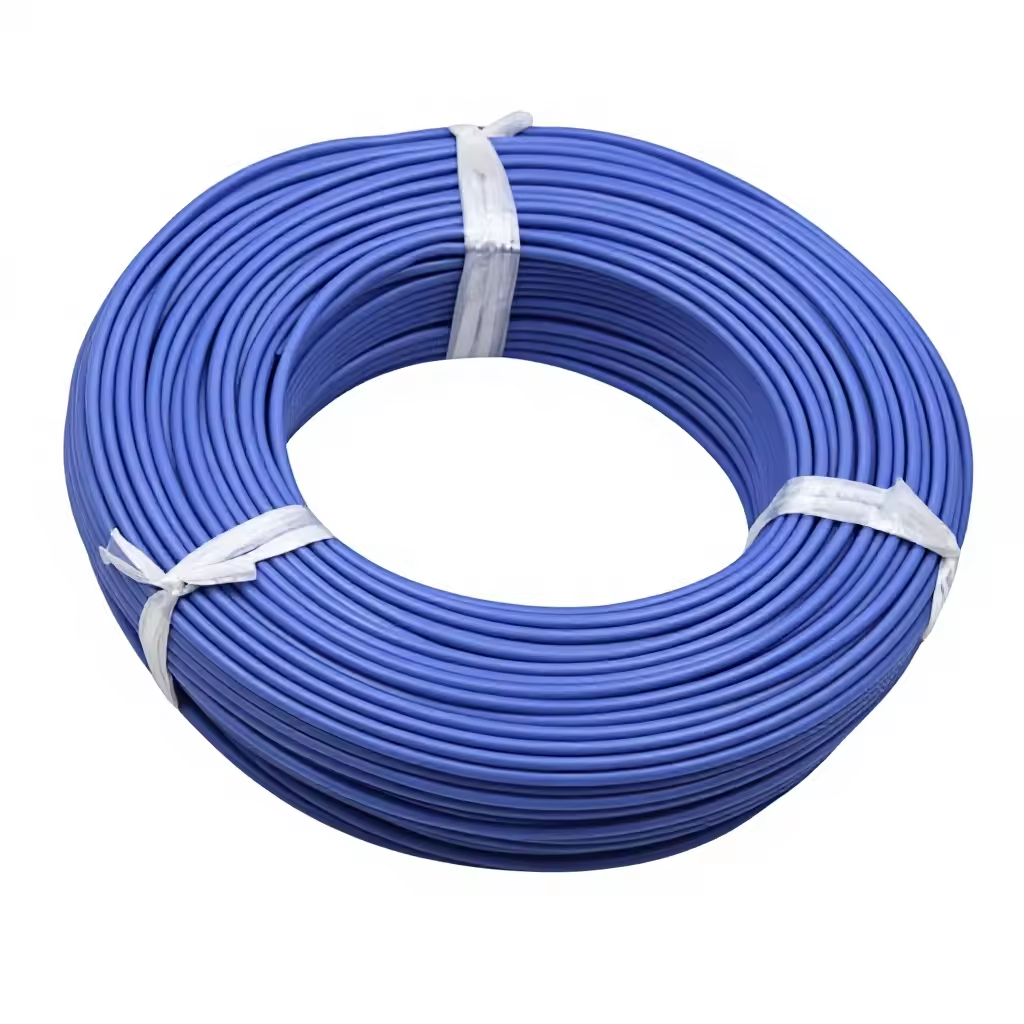
Highly flexible silicone wire, -60°C to +200°C, for appliances and motor leads.
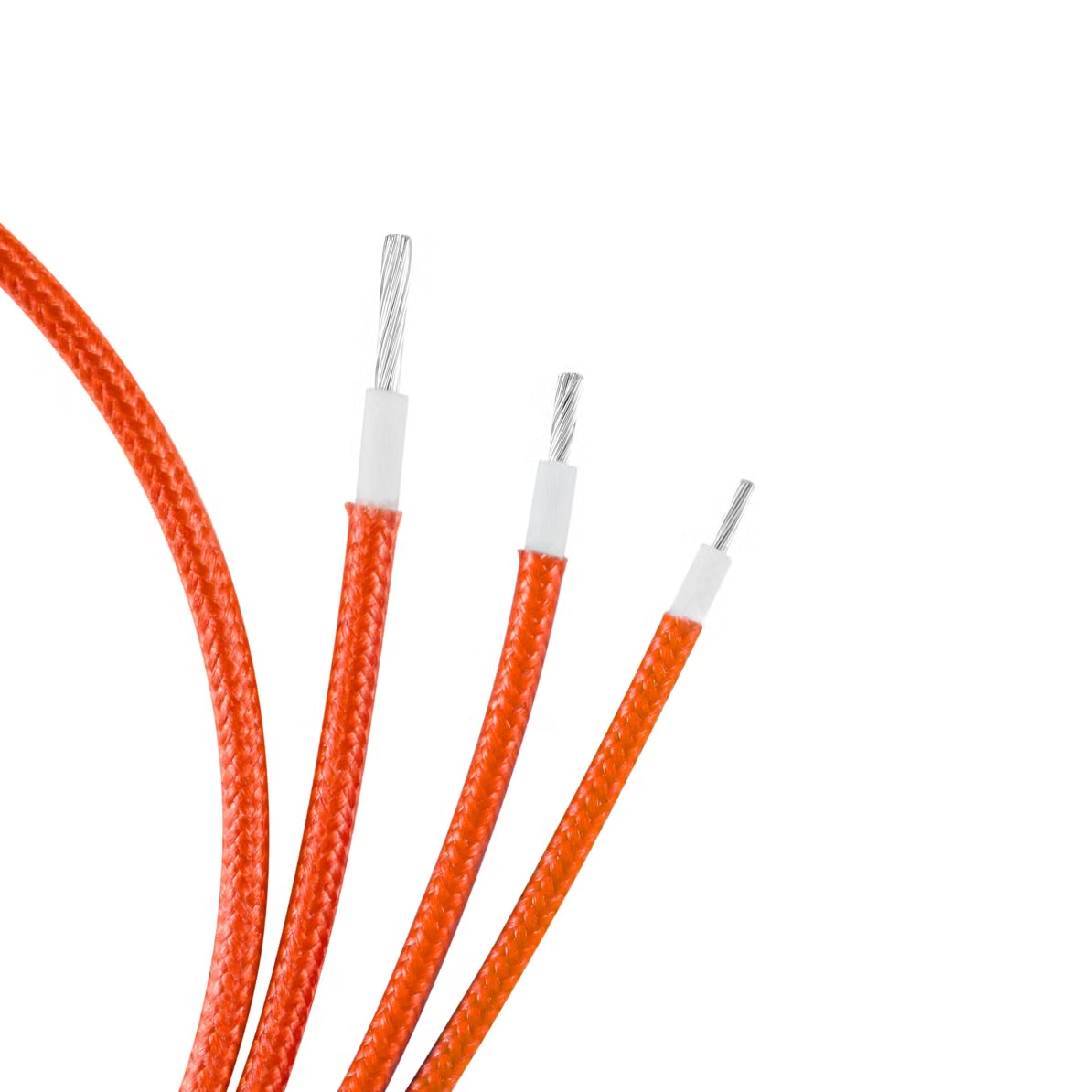
Silicone core with fiberglass braid for abrasion resistance in furnaces and ovens.
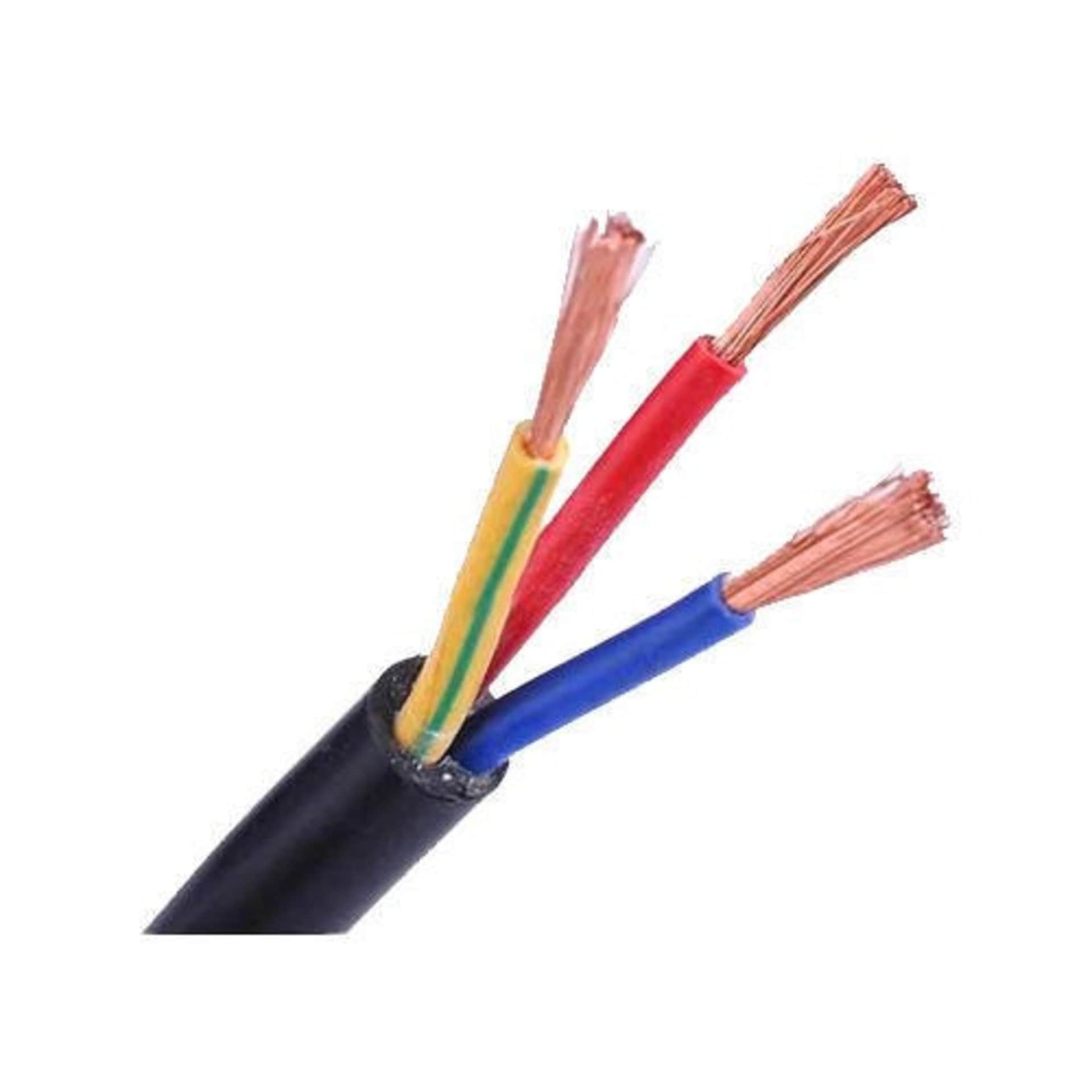
Multi-conductor fluorine/silicone cables for panels and control cabinets.
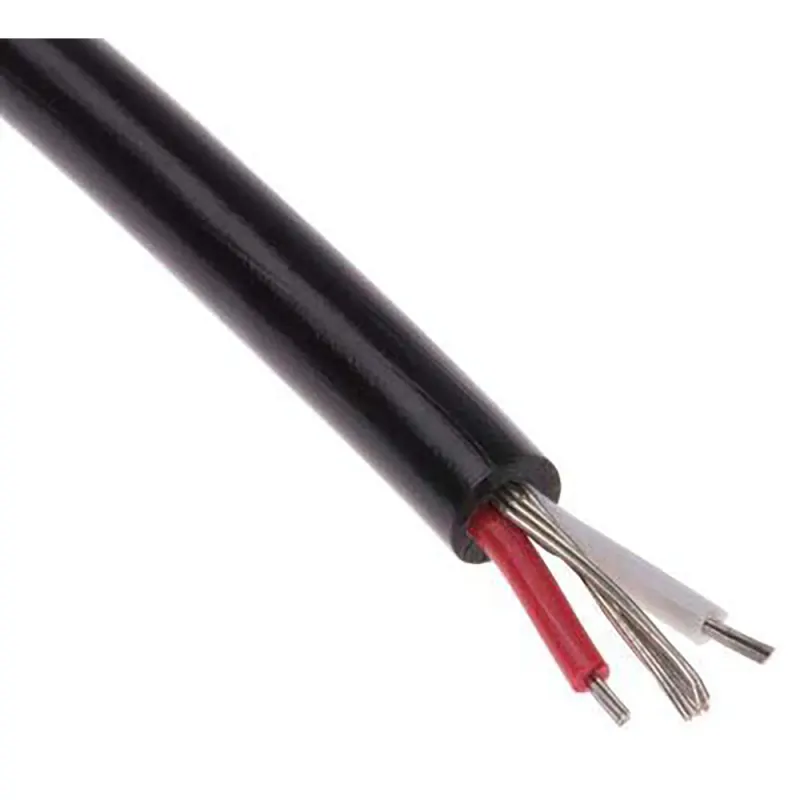
Color-coded thermocouple extension cable, Type K/J/T.

High-purity pure nickel wire (Ni≥99.96%) with mica insulation, resistant to 1000°C. Cloud-shaped flexible structure for vibration dampening in new energy batteries, power equipment, and high-current connections.
02 · Compare
| Characteristic | Fluorine Plastic Insulation Wire | Silicone Rubber Wire | Fiberglass Braided Silicone Wire | Multiple Cores High-Temp Cables | Compensating Lead Wire | Pure Nickel Mica Wire |
|---|---|---|---|---|---|---|
| Max Temp | 250°C | 200°C | 250°C | 200°C | 105°C | 1000°C (best in row) |
| Min Temp | -40°C | -60°C (best in row) | -40°C | -40°C | N/A | N/A |
| Voltage | 250-600V | 300-1140V | 450-750V | 300-750V | 200V | 600V |
| Flexibility | Moderate | Excellent | Good | Good | Moderate | Excellent |
| Flame Rating | Self-Ext. | Retardant | Excellent | Excellent | Standard | Excellent |
| Chem. Resist. | Excellent | Very Good | Very Good | Good | Good | Excellent |
| Key Standard | FF46/UL1901 | UL3132/3135 | IEC 60245 | FF/KFF/YGZ | ANSI MC96.1 | IEC 60851 |
Highlighted cells mark the single strongest value in rows where one family clearly leads. Full datasheets available on request.
03 · Featured
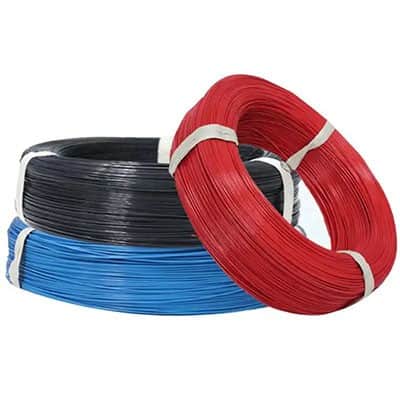 BEST SELLER
SW-AF250-18-500
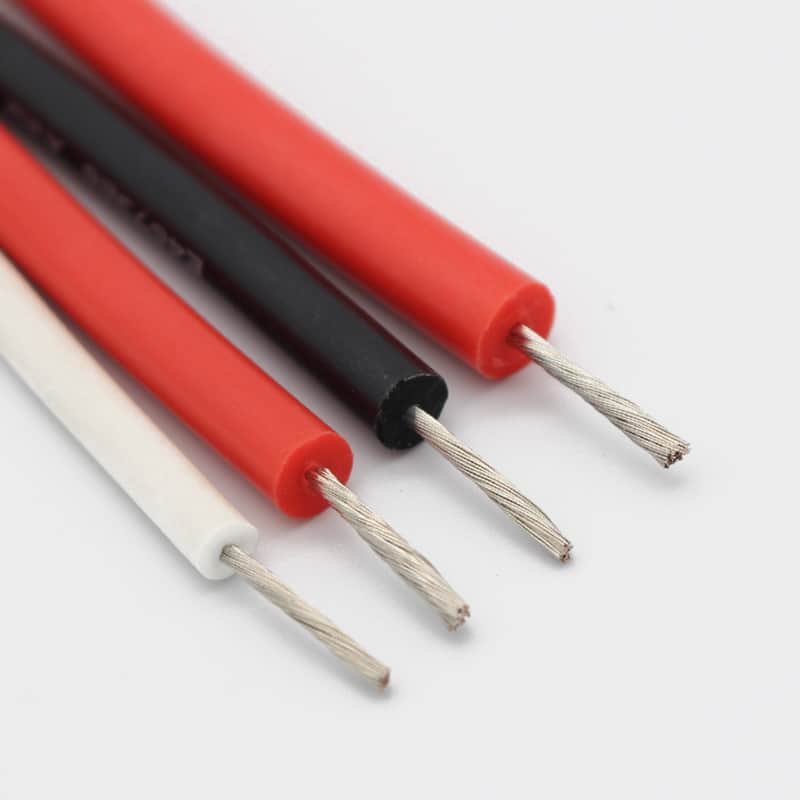 HIGH VOLTAGE
SW-JHXG-16-1140V
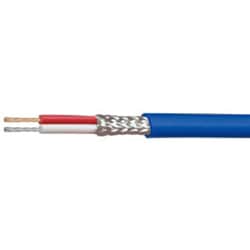 PRECISION
SW-KX-24-1000
04 · Buying guide
High-temperature and specialty wire exists because standard PVC-insulated building wire breaks down well before it reaches the thermal, chemical, or mechanical extremes found in furnaces, aircraft, ovens, and process heating equipment. Shanghai Unicorn Cable's specialty range spans six insulation families -- fluorine plastic (FEP/PTFE), silicone rubber, fiberglass-braided silicone, multi-conductor fluorine/silicone, thermocouple compensating lead wire, and pure nickel mica -- engineered to hold their electrical and mechanical properties from -60°C up to 1000°C. Each family trades off differently on flexibility, chemical resistance, flame rating, and cost, so the right choice depends on the specific thermal and mechanical environment the wire will see in service. As a direct silicone insulated wire manufacturer and silicone wire China manufacturer, we supply every family factory-direct with full material traceability from raw compound to finished reel.
A practical buying guide starts with the operating temperature window, not the part number. Continuous ambient or surface temperature at the conductor sets the floor: silicone rubber wire covers -60°C to 200°C and stays flexible at the cold end, fluorine plastic (FEP/PTFE) and fiberglass-braided silicone both reach 250°C with better chemical and abrasion resistance respectively, and pure nickel mica wire is the only family rated to 1000°C for direct furnace and battery-pack exposure. From there, match voltage class to the circuit (200V for thermocouple compensating leads up to 1140V for heavy-industry silicone), then weigh flexibility against duty cycle -- silicone and pure nickel mica are the most flex-tolerant, while fluorine plastic and compensating lead wire are better suited to fixed or lightly-flexed runs.
Certification requirements usually narrow the field further. Aerospace and defense buyers often specify MIL-W-16878-style PTFE constructions such as AF250 and AFR250 (confirm the exact spec with us before ordering); appliance and HVAC manufacturers look for UL AWM or UL3132/3135 listings -- our UL silicone cable and silicone rubber electrical wire SKUs cover both; process-heating and industrial buyers reference IEC 60245 or GB/T 3953; and instrumentation teams sourcing thermocouple extensions need ANSI MC96.1 or IEC 60584 compliance to guarantee measurement accuracy. Because every batch is tested in-house for dielectric strength, temperature rating, and mechanical properties before shipment, buyers can request a Certificate of Conformance and dimensional inspection report alongside the standard documentation package.
In practice, the same six families serve very different industries. Fluorine plastic and fiberglass-braided silicone wire are the default choice for furnaces, kilns, and industrial ovens where chemical exposure and abrasion are the main risks; aerospace and defense programs lean on fluorine plastic and silicone wire for avionics and motor leads; home appliance OEMs use silicone rubber wire in ranges, dryers, and water heaters where flexibility through repeated thermal cycling matters; and laboratory, medical, and process-heating customers combine high-temperature jacketing with thermocouple compensating leads for sterilizers, incubators, and temperature-controlled process lines. Specifying the wrong family for the application is the most common and most expensive mistake -- a wire rated for static furnace use will fail quickly in a flexing appliance harness, and vice versa.
05 · Applications
Furnaces & Kilns · Industrial Ovens · Heat Treatment Plants · Dry-type Transformers · Heating Elements
Aircraft Motors & Coils · Avionics Wiring · Defense Transformers · Satellite Systems · UAV Power Systems
Ovens & Ranges · Tumble Dryers · Water Heaters · Dishwashers · Air Fryers
Pipe Freeze Protection · Tank & Vessel Heating · Floor Heating Systems · Viscosity Control · Steam Condensate Lines
Laboratory Furnaces · Medical Sterilizers · Incubators & Warmers · Clean Room Equipment · Analytical Instruments
Thermocouple Extensions (K/J/T) · Process Monitoring · HVAC Control Systems · Cryogenic Measurement · Industrial Calibration
Engine Compartment Wiring · Exhaust Sensor Cables · EV Battery Systems · Heated Seat Elements · Under-hood Sensors
Fire Alarm Circuits · Emergency Lighting · Tunnel Wiring · Offshore Platforms
06 · FAQ
Minimum order is set per product, from 100 ft; each product page states its own. There's no container-size minimum for a first order, and free samples are available before you commit to any quantity.
Yes. Submit your spec sheet — gauge, insulation type and thickness, jacket color, and any required certifications — and our engineering team will match or exceed your requirements. Custom specifications typically ship in 12-16 business days.
Coverage varies by family, but across the range we hold UL, IEC, VDE, CSA, FM and ATEX certifications. AF250 and AFR250 are MIL-W-16878-style PTFE constructions for aerospace and defense buyers (confirm the exact spec with us); UL AWM and UL 3132/3135 for appliance and HVAC applications; IEC 60245 and GB/T 3953 for process-heating and industrial use; and ANSI MC96.1 / IEC 60584 for thermocouple compensating leads. Full certification details are listed on each product's detail page.
Yes. Every batch is tested in-house for dielectric strength, temperature rating, and mechanical properties before shipment. A Certificate of Conformance and dimensional inspection report are available on request alongside your standard shipping documentation.
Start with the continuous ambient or conductor-surface temperature your application actually sees, not the part number. As a guide: silicone rubber wire covers -60°C to 200°C; fluorine plastic (FEP/PTFE) and fiberglass-braided silicone both reach 250°C; thermocouple compensating wire is rated to 105°C; and pure nickel mica wire is rated to 1000°C for direct furnace or battery-pack exposure. If you're unsure, send us your operating conditions — temperature, voltage, and environment — and our engineers will recommend the right family within 24 hours.
Catalog lines ship in 2–18 business days; each product page states its own lead time. Minimum order and lead time for custom builds are confirmed with your quote.
Yes — we ship DDP (Delivered Duty Paid) to 40+ countries, with full certification documentation included. That means your shipment arrives with duties and import formalities already handled on our end, not yours.
We manufacture in-house at our own facility in Kunshan, Jiangsu Province — we don't broker or resell third-party cable. That means we control conductor grade, insulation wall thickness, and every process step directly, and can provide mill certificates and material traceability on request.
We quote using a base-metal-indexed formula rather than a flat rate, since copper and other conductor material costs move enough to matter. Quotes are held for 48 hours from issue; if commodity prices move outside that window before you confirm, we'll requote rather than lock in a stale price.