
Heating Cable Manufacturer
Self-Regulating & Constant Wattage — Engineered for Freeze Protection & Process Heating
Complete range of heating cables including self-regulating armored cables, constant wattage parallel cables, carbon fiber heating wire, floor heating systems, and high-temperature power tracing bands. FM/ATEX-approved self-regulating options and UL-rated silicone heating wire.
260°C
Max Temperature
4
Product Families
10
Total SKUs
FM ATEX UL
Certifications
Heating Cable Buying Guide
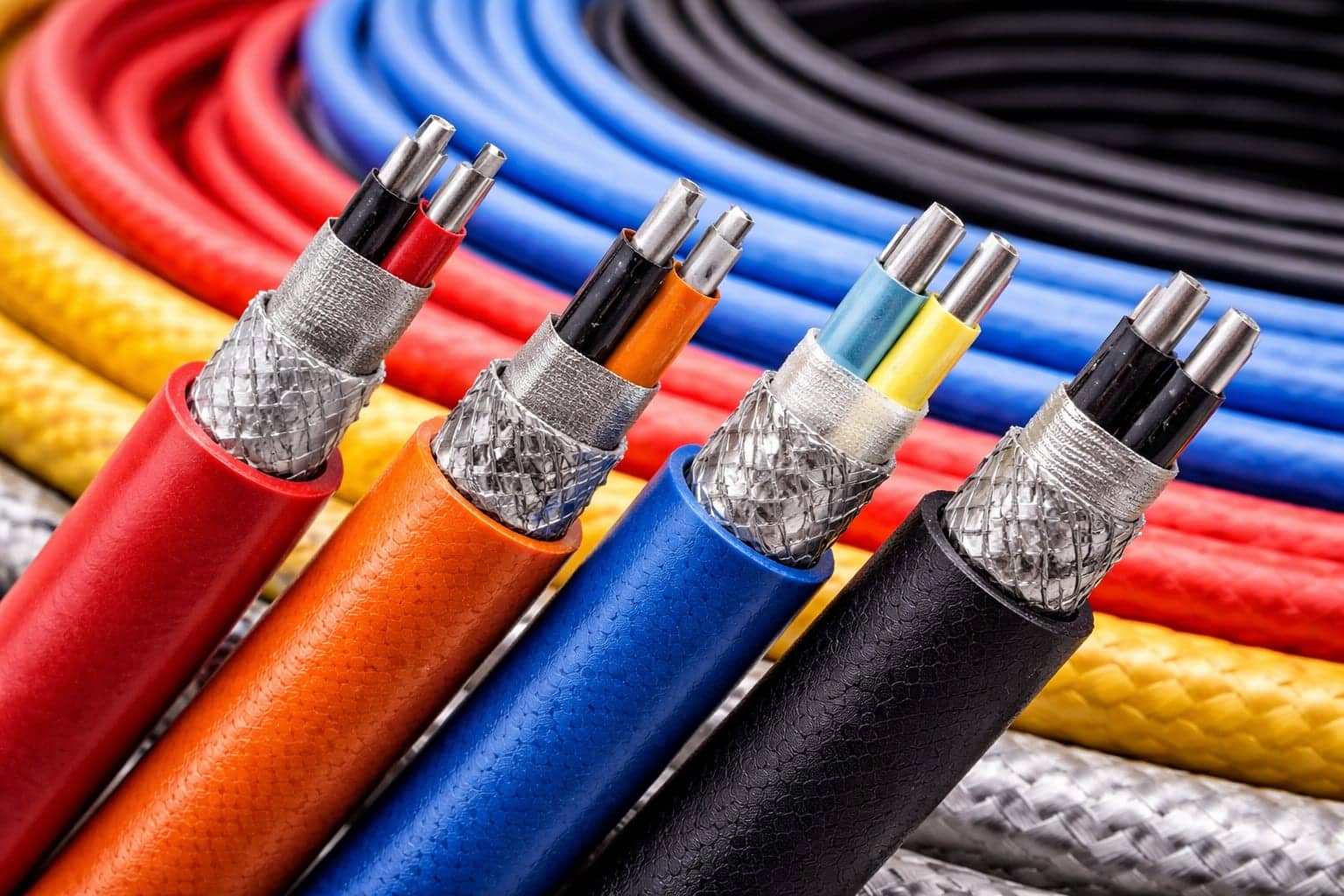
Heating cable exists to add controlled heat to a pipe, floor, tank, or process line rather than to carry power to a load, and that changes how it's built and specified. The core design choice is self-regulating versus constant wattage. Self-regulating cable uses a conductive polymer core that expands and contracts with temperature, so it draws more current -- and produces more heat -- exactly where and when a section runs cold, then throttles back automatically as it warms up. Constant-wattage cable delivers a fixed power output per meter regardless of ambient temperature, which is simpler and cheaper per foot but needs an external thermostat to avoid overheating a pipe that's already at temperature. As a direct heating cable manufacturer, we build both families in-house alongside carbon-fiber and floor-heating variants. Certification depends on the family: self-regulating cable is FM Approved and ATEX certified, silicone heating wire carries UL style ratings, and floor heating cable is built to IEC 60800.
The right family depends on the application, not just the wattage number on a datasheet. Pipe freeze protection -- water lines, fire sprinkler systems, roof and gutter de-icing -- is the classic self-regulating use case, since the cable needs to respond to whatever ambient swing the pipe actually sees without a technician re-tuning it each season. Process heating and viscosity control on chemical or heavy-oil lines above 150°C calls for constant-wattage or parallel constant-wattage tracing band instead, since self-regulating cores lose their auto-throttling advantage at sustained high temperatures. Floor heating is its own category entirely -- low-voltage carbon film cable designed for even radiant heat distribution under tile or flooring, not for pipe tracing at all.
Hazardous-area classification is often the deciding factor for oil, gas, and chemical customers. Our self-regulating cable carries FM Approval and ATEX Zone 2 / IECEx certification for Class I Div 2 hazardous locations, alongside CSA certification, CE marking, and IEEE 515 / NEC 427 compliance for installation code compliance in North America. Where a hazardous area calls for constant-wattage tracing, our RDP2 constant power tracing bands are FM Approved and ATEX certified; the silicone and carbon-fiber heating wire on this page is not hazardous-area rated. That certification stack matters because a heating cable installed in a refinery or offshore platform without the correct hazardous-area rating is a code violation and a real ignition risk, not just a paperwork gap -- so confirming the zone rating before ordering saves a re-spec later in the project.
Across industries, that translates into self-regulating cable for pipe freeze protection and roof de-icing, constant-wattage and carbon-fiber tracing for oil and gas process piping, molten sulfur lines, and viscosity-controlled tanks, carbon-film cable for residential and commercial floor heating, and FM/ATEX-rated tracing bands for hazardous-area installations in refineries and offshore platforms. We manufacture the full range in-house with a 100 ft per-SKU minimum order and sample lengths available for engineering qualification, so specifying engineers can validate performance before committing to production quantities.
Why Choose Shanghai Unicorn Heating Cables?
Direct manufacturer with FM, ATEX, and UL certified heating solutions for 40+ countries
Direct Manufacturer
No middlemen — products come straight from our own factory in Kunshan, next to Shanghai, ensuring consistent quality and competitive pricing.
In-House Testing Lab
Every batch is tested for dielectric strength, temperature rating, power output, and mechanical properties before shipment.
Low Minimum Orders
Starting from 100 ft per SKU — ideal for prototyping, engineering samples, or small-batch production runs.
Fast Lead Times
Standard stock ships in 5-7 business days. Custom specifications available with 12-20 day lead times.
Global Compliance
Products certified to FM, ATEX, IECEx, UL, CSA, CE, and IEEE 515 standards for worldwide market acceptance.
Custom Engineering
Submit your spec sheet and our engineers will match or exceed your requirements — wattage, voltage, jacket material, certifications.
Featured Heating Cable Products
Our most popular heating cable solutions — specifically chosen for energy, petrochemical, and process industries.
 FM & ATEX
 HIGH TEMP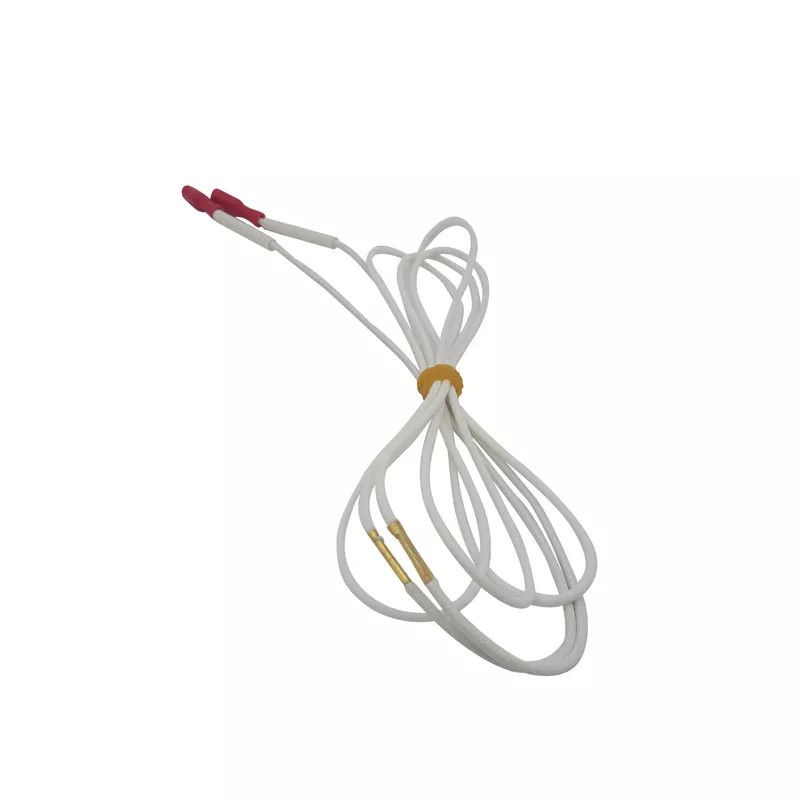
All products available for sampling. Lead times listed on each product page.
4 Specialized Product Families
Each family is engineered for a distinct set of operating conditions. Click any card to explore individual products with full specifications.
Self-Regulating Heating Cable
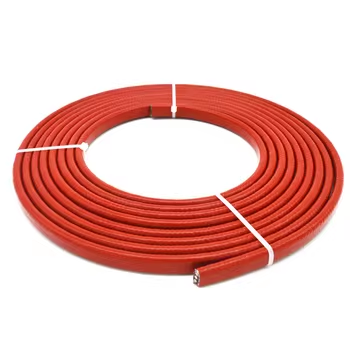
Self-regulating heating cables with conductive polymer core that automatically adjusts heat output based on ambient temperature. Metal-armored options for hazardous area installations.
- Automatic temperature adjustment
- Energy efficient — no thermostat needed
- FM Approved & ATEX certified for hazardous areas
Temp Range
Up to 215°C exposure
Voltage
240V
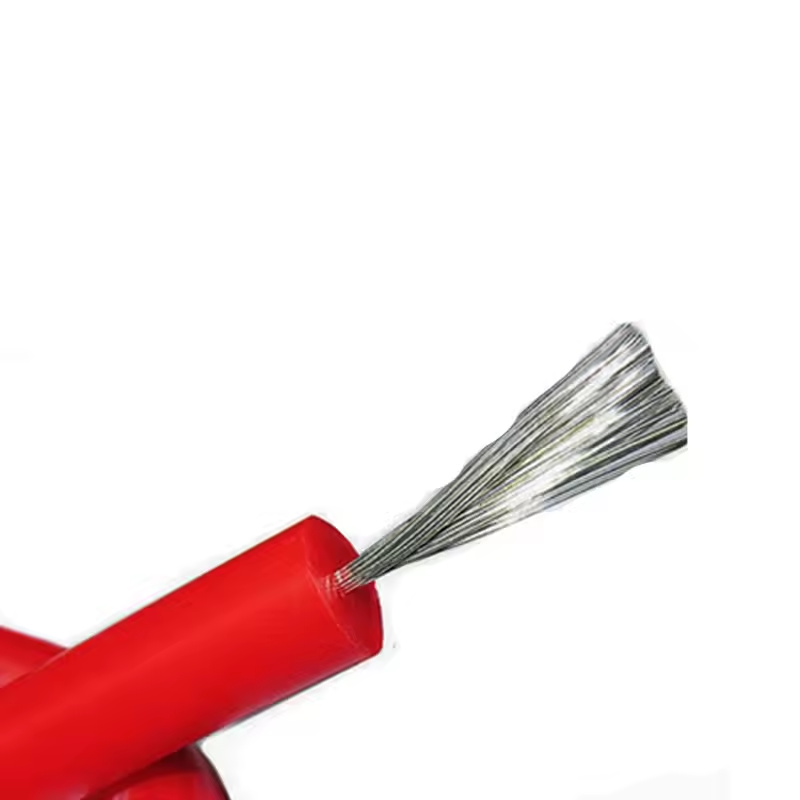
Constant Wattage & Silicone Heating Wire
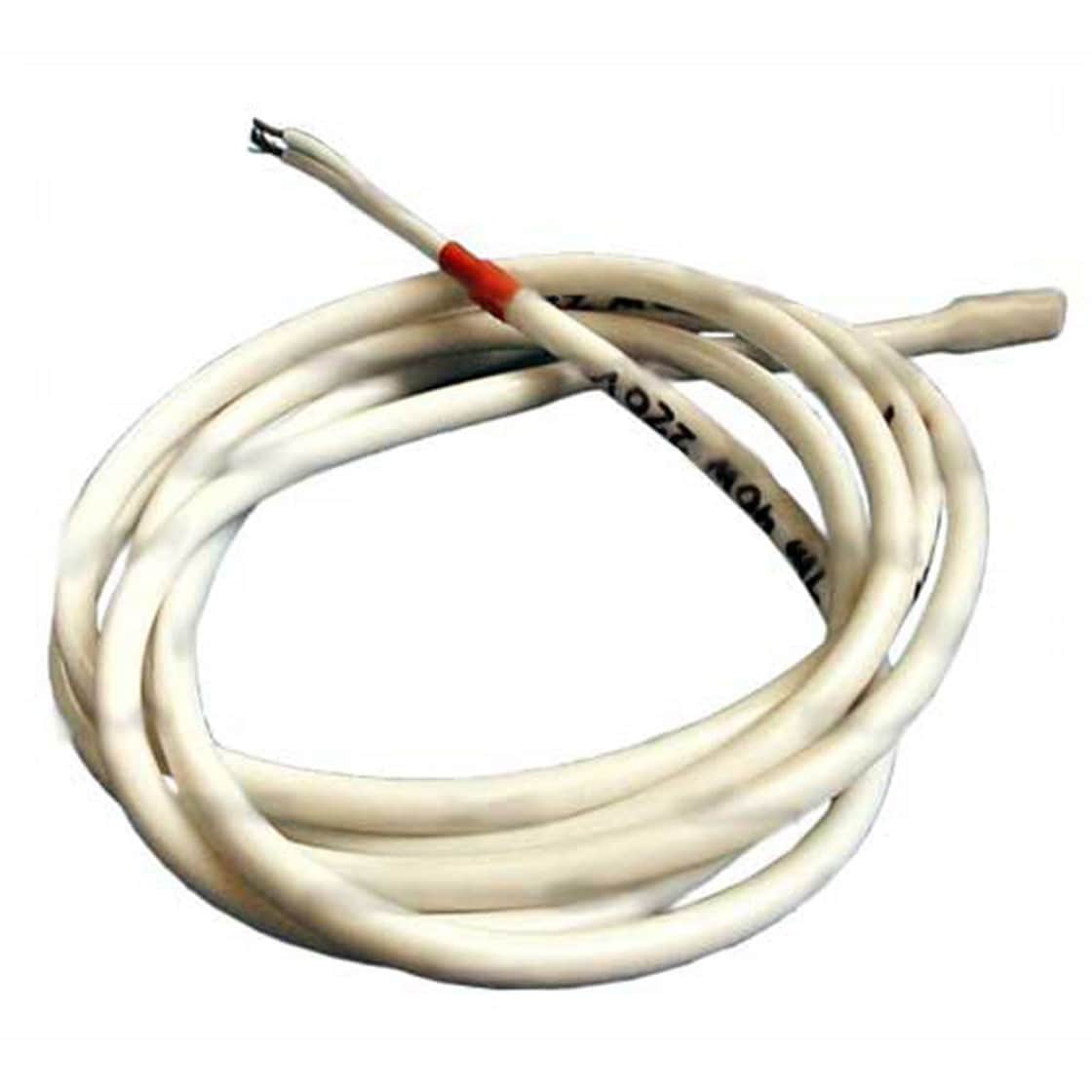
Silicone rubber and fiberglass braided heating wires for industrial heaters, appliance elements, and high-temperature applications. Available with UL3239, UL3135, UL3323 certifications.
- Consistent heat output at any temperature
- Ultra-flexible silicone construction
- Carbon fiber options for rapid thermal response
Temp Range
Up to 260°C
Voltage
300-600V
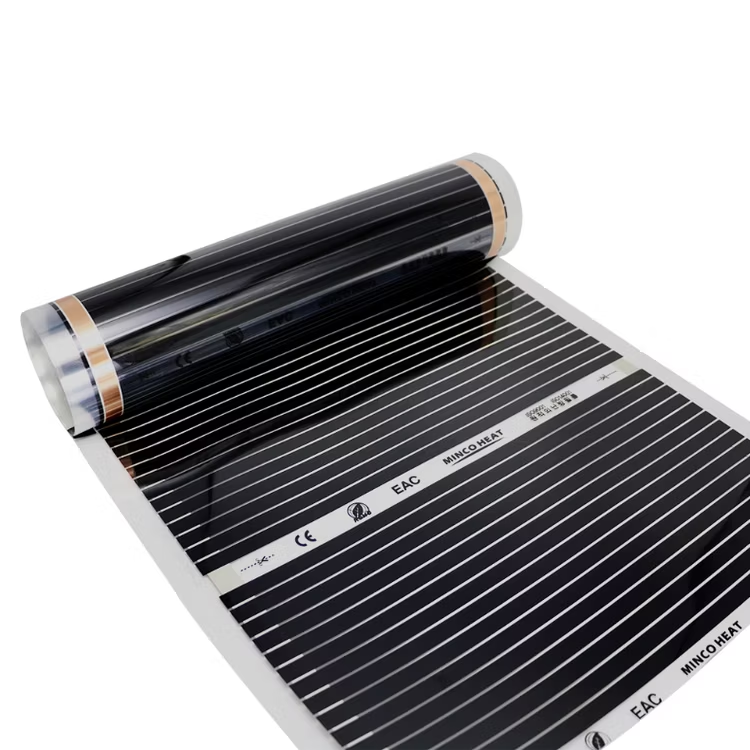
Floor Heating Cable
Carbon film floor heating cables for radiant heating systems in residential and commercial spaces. Energy efficient with even heat distribution.
- Even radiant heat distribution
- Energy efficient carbon film technology
- Suitable for residential & commercial spaces
Temp Range
Up to 60°C surface
Voltage
220V
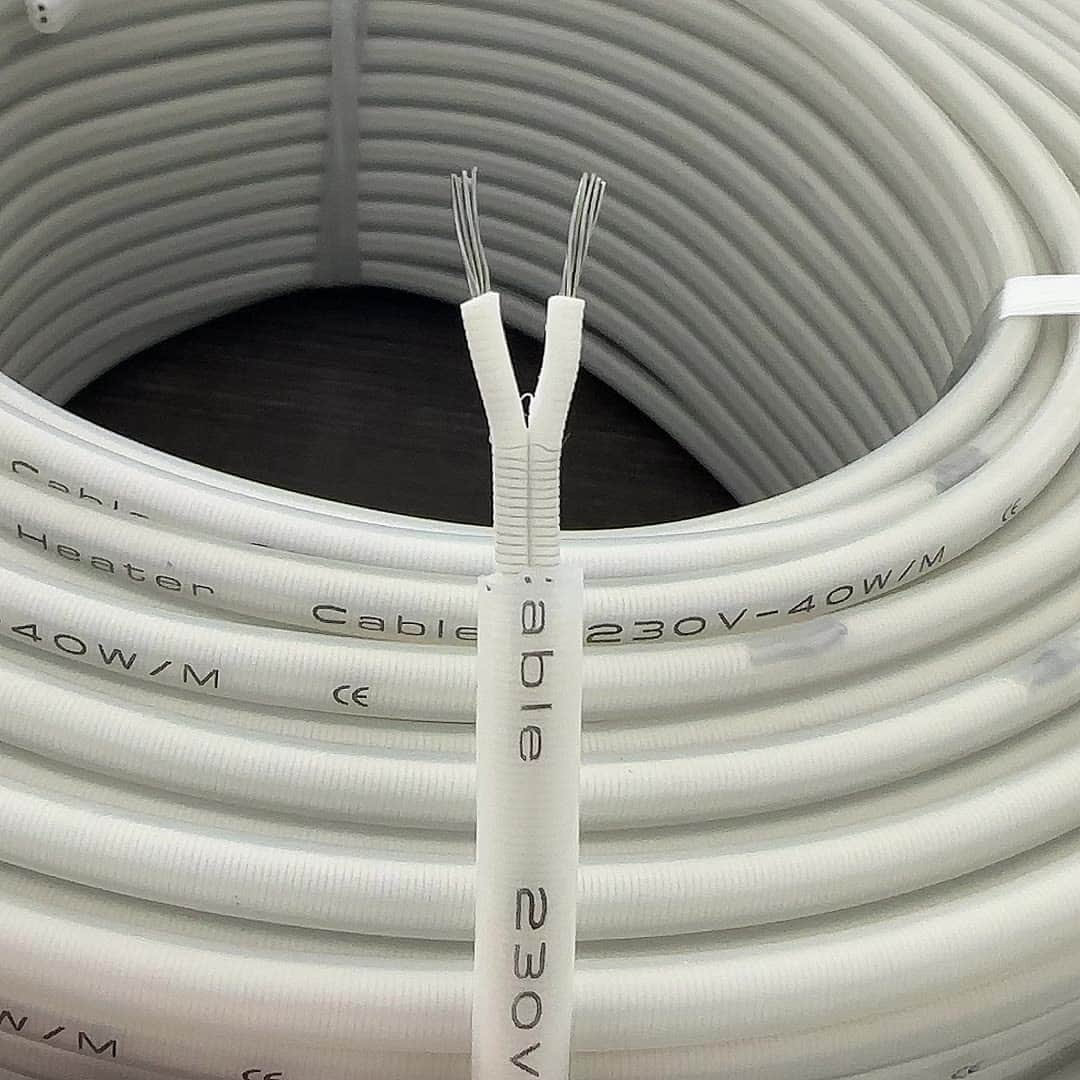
Parallel Constant Wattage Heating Cable
Parallel constant-wattage heating cable (15 W/m) for process piping and general temperature-maintenance applications. Silicone rubber outer jacket.
- Consistent output regardless of pipe temp
- Silicone rubber outer jacket
- Cut-to-length field installation
Temp Range
Up to 150°C
Voltage
220-240V
Industries & Applications
Trusted by engineers across major industries for freeze protection, process heating, and temperature maintenance
Pipe Freeze Protection
- Water Pipelines
- Fire Sprinkler Systems
- Drainage Lines
- Roof & Gutter De-icing
- Outdoor Valve Stations
Oil & Gas
- Process Piping
- Molten Sulfur Lines
- Heavy Oil Viscosity Control
- Tank Heating
- Loading Arms
Floor Heating
- Residential Bathrooms
- Kitchen Floors
- Commercial Lobbies
- Warehouse Floors
- Hospital Wards
Process Temperature
- Chemical Reactors
- Pharmaceutical Lines
- Food Processing
- Viscosity Maintenance
- Steam Condensate Lines
Industrial Heating
- Industrial Ovens
- Composite Curing
- Plastic Welding
- Heating Elements
- Thermal Test Equipment
Hazardous Areas
- Class I Div 2 Zones
- ATEX Zone 2 Areas
- Offshore Platforms
- Refineries
- Chemical Plants
Technical Comparison — All 4 Families
Use this table to quickly identify the right heating cable for your operating conditions
| Characteristic | Self- Regulating | Constant Wattage Heating Wire | Floor Heating | Parallel Constant Wattage |
|---|---|---|---|---|
| Max Temp | 215°C | 260°C | 60°C | 150°C |
| Min Temp | -40°C | -40°C | 0°C | -60°C |
| Voltage | 240V | 300-600V | 220V | 220-240V |
| Power Output | 35 W/m | Per heater design | ≈49 W/m | 15 W/m |
| Self-Reg | Yes | No | No | No |
| Hazard Rated | Class I Div2 | No | No | No |
| Key Standard | IEEE 515 | UL3239/3323 | IEC 60800 | IEC 60800 |
Highlighted cells mark the strongest value in rows where one family clearly leads (highest max temp, lowest min temp, self-regulating, hazard-rated). Voltage, power output and standards depend on the application, so they are not ranked. For FM/ATEX-rated constant-wattage tracing, see our constant power tracing bands. Full datasheets available on request.
Frequently Asked Questions
Answers to the most common questions from engineers and procurement teams
What is the difference between self-regulating and constant wattage heating cables?
Self-regulating cables use a conductive polymer core that automatically adjusts heat output based on the surrounding temperature — they produce more heat when it's cold and less when it's warm, making them energy efficient and eliminating the need for a thermostat. Constant wattage cables deliver a fixed power output per meter/foot regardless of temperature, providing consistent heating that requires external temperature control.
Which heating cable type should I use for pipe freeze protection?
For pipe freeze protection, we recommend self-regulating heating cable (SW-HEAT-SR35-200). It automatically adjusts heat output based on pipe temperature, is energy efficient, and is rated for hazardous areas (Class I Div 2). For high-temperature process piping above 150°C, use our constant power tracing bands (RDP2-J3 or RDP2-J4).
Do your heating cables carry FM Approval and ATEX certification?
Our self-regulating heating cable carries FM Approval, ATEX Zone 2, IECEx, CSA, CE marking, and IEEE 515 compliance, and our RDP2 constant power tracing bands are FM Approved and ATEX certified. The silicone and carbon-fiber constant-wattage heating wire is UL style-rated but not hazardous-area rated. Full certification documentation and test reports are included with every shipment.
What is the minimum order quantity for heating cables?
MOQ starts at 100 ft per SKU. Sample lengths (10 - 50 ft) are available for engineering qualification with no minimum. Contact us for project-specific flexibility.
Can you produce custom lengths, wattages, or voltage ratings?
Yes. Our engineering team can customize power output (W/m), voltage rating, jacket material, cable length, and end termination style to your exact specification. Lead time for custom production is typically 12 - 20 business days.
What is the typical lead time?
Standard in-stock items ship within 5 - 7 business days. Self-regulating and tracing band products may take 10 - 18 business days. Custom specifications take 12 - 20 business days. Expedited production is available for urgent requirements.
Do you provide installation support and documentation?
Every shipment includes an installation guide, Certificate of Conformance (CoC), electrical test data, and SDS/MSDS sheets. Our technical team is available for installation support and can provide project-specific wiring diagrams on request.
Still have a question?
Ask our engineering teamNot sure which heating cable is right for your application?
Our technical engineers will review your operating conditions — pipe diameter, ambient temperature, maintenance temperature, hazardous area classification — and recommend the ideal solution within 24 hours.
Quote response within 24 hours | Samples available | 100 ft minimum