

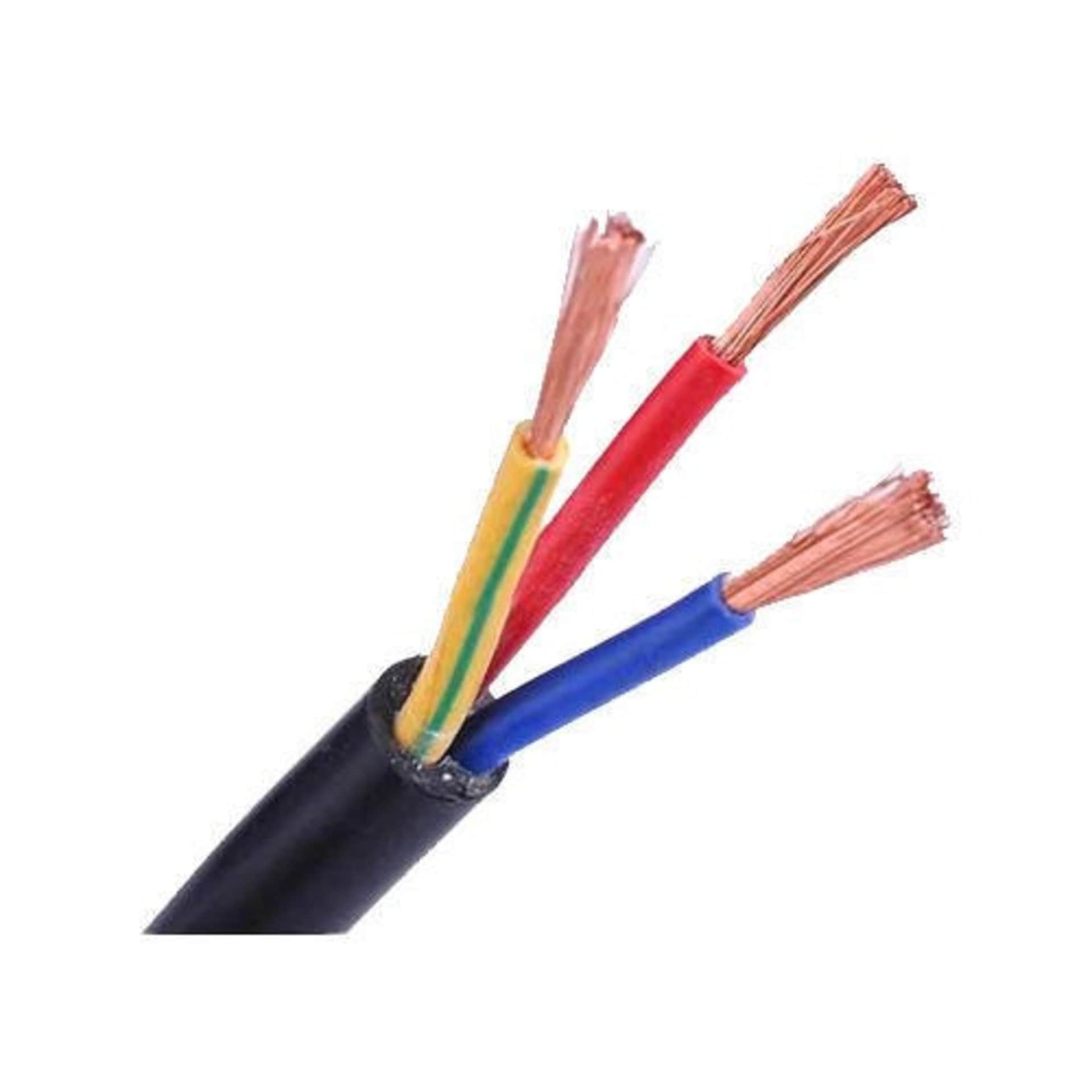
Multiple Cores Cable FF/FFRP-3
Multi-conductor FEP fluorine plastic insulated cable with 3 cores for high-temperature signal and control applications.
max 200°C300VULSW-FFRP3-20-3C-500
Factory-direct · Kunshan, Jiangsu · DDP shipping to 40+ countries
4 SKUs
Up to 200°C
Multi-conductor fluorine plastic and silicone rubber cables for control panels, instrument racks, and automation cabinets.
01 · Products
Filter by operating temperature
Multi-conductor FEP fluorine plastic insulated cable with 3 cores for high-temperature signal and control applications.
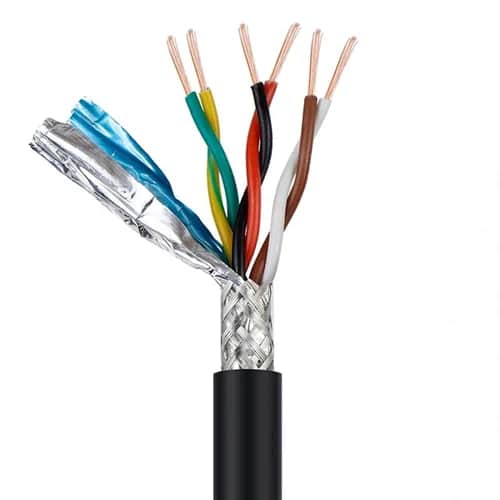
Shielded multi-conductor fluorine plastic cable with tinned copper braid for EMI protection in high-temperature environments.
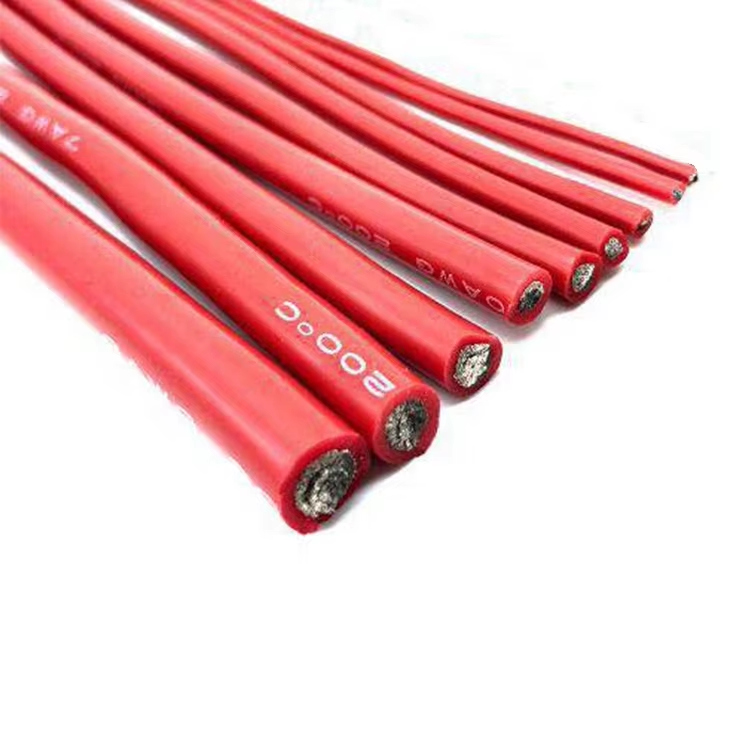
Multi-conductor silicone rubber insulated cable with excellent flexibility for power and control in high-temperature installations.
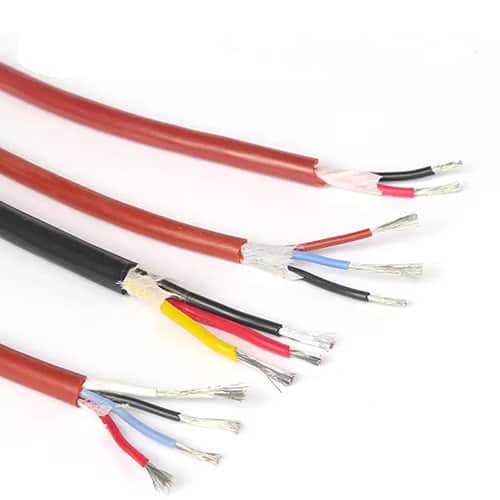
Heavy-duty multi-conductor silicone cable for high-current power applications in industry.
02 · Featured
3-CORESW-FFRP3-20-3C-500
SHIELDEDSW-KFFRP3-18-4C-500
HEAVY DUTYSW-YGZ-14-4C-500
03 · Buying guide
Multiple cores cables bundle 2 or more individually insulated high-temperature conductors -- fluorine plastic or silicone rubber -- inside a single outer jacket, instead of running separate single-conductor wires side by side. That matters in control panels, instrument racks, and automation cabinets where routing a dozen separate high-temp wires through a gland or conduit is impractical: one multi-core cable does the job of several single conductors while taking up a fraction of the routing space, and shielded constructions (FFRP, KFFRP) add a braided shield for signal and control circuits running near electrical noise.
The first decision is insulation family: fluorine plastic (FF/FFRP-3, KFF/KFFRP-3) or silicone rubber (YGZ, YGZP). Fluorine-insulated multi-core cable suits signal and control wiring up to 200°C with tighter, more consistent core dimensions, useful where multiple cores need to fit a specific connector pinout. Silicone-insulated multi-core cable (YGZ, YGZP) trades some of that dimensional precision for better flexibility and is the more common choice for power distribution in mobile or vibration-prone equipment rather than fixed instrumentation.
Shielding is the second decision, and it's not optional in every application -- it's specifically for circuits sharing routing with variable-frequency drives, motor leads, or other electrical noise sources. KFF/KFFRP-3's overall tinned-copper braid shield exists to protect low-level control and feedback signals from that induced interference; running an unshielded FF/FFRP-3 cable next to a VFD feeder risks exactly the kind of signal corruption the shield is there to prevent. For straightforward power distribution without adjacent noise sources, the unshielded YGZ or YGZP constructions are the simpler and lower-cost choice.
04 · Applications
Control cabinet wiring · Instrument panel wiring · Multi-point signal runs
Servo and motor control wiring · VFD-adjacent shielded circuits · Automated equipment wiring
Mobile equipment power runs · Vibration-prone installations · Compact panel routing
05 · FAQ
Specify shielded construction whenever the cable shares routing with VFDs, motor leads, or other sources of electrical noise -- the braided shield protects low-level control and feedback signals from induced interference. For power distribution without nearby noise sources, unshielded is sufficient.
Fluorine-insulated cable has tighter, more consistent core dimensions and suits fixed instrumentation and signal wiring. Silicone-insulated cable is more flexible and better suited to power distribution in mobile or vibration-prone equipment.
Current constructions in this family range from 3 to 4 cores. For higher core counts, contact our engineering team -- custom conductor counts are available on request.
Up to 200°C across this family, consistent with the fluorine plastic and silicone rubber insulation systems used in the individual cores.